
The Importance of Oil Casing in Preventing Leakage
Oil casing plays a crucial role in the Oil and gas industry, serving as a protective barrier that helps prevent leakage and ensures the efficient extraction of resources. The significance of oil casing in preventing leakage cannot be overstated, as it acts as a safeguard against potential environmental hazards and financial losses.
One of the primary functions of oil casing is to provide structural support to the wellbore, maintaining its integrity under high–pressure conditions. By encasing the wellbore with durable materials such as steel, oil casing reinforces the walls of the well and prevents them from collapsing or deforming. This structural support is essential for maintaining the stability of the well and ensuring the safety of operations.
In addition to providing structural support, oil casing creates a barrier that helps contain the flow of oil and gas within the wellbore. Without proper casing, there is a risk of leakage occurring, which can have serious consequences for the environment and human health. Oil casing acts as a containment system, preventing the escape of oil and gas into the surrounding soil and water sources.
Furthermore, oil casing plays a critical role in preventing fluid migration between different geological formations. By isolating the production zone from other formations, casing helps maintain the integrity of the reservoir and prevents cross-contamination of fluids. This isolation is essential for maximizing production efficiency and ensuring the quality of extracted resources.
Another key aspect of oil casing is its ability to protect the well from external factors that could compromise its integrity. By creating a barrier between the wellbore and the surrounding environment, casing shields the well from corrosive substances, abrasive materials, and other potential sources of damage. This protection is essential for prolonging the lifespan of the well and maintaining its operational efficiency.
In conclusion, the importance of oil casing in preventing leakage cannot be emphasized enough. From providing structural support and containment to preventing fluid migration and protecting against external threats, oil casing plays a multifaceted role in ensuring the safety and efficiency of oil and gas operations. By triumphantly ending casing leakage with the use of high-quality casing materials and proper installation techniques, the industry can uphold its commitment to environmental stewardship and operational excellence.
How to Select the Right Oil Casing Material for Maximum Efficiency
Selecting the right oil casing material is crucial for ensuring maximum efficiency and preventing casing leakage in oil wells. The choice of casing material plays a significant role in the overall performance and longevity of the well. When it comes to Oil casing materials, there are several factors to consider to make an informed decision.
One of the primary considerations when selecting oil casing material is the corrosiveness of the environment in which the well operates. Different environments have varying levels of corrosive elements that can degrade the casing over time. It is essential to choose a material that can withstand the specific corrosive conditions of the well to prevent premature failure.
Another important factor to consider is the mechanical properties of the casing material. The material should have the necessary strength and toughness to withstand the loads and pressures experienced during drilling and production operations. Choosing a material with the right mechanical properties can help prevent casing deformation and failure under stress.
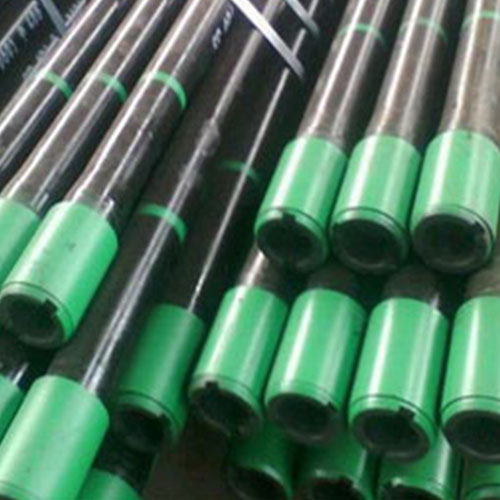
API 5ct L80-1 CASING china Best CompaniesIn addition to corrosion resistance and mechanical properties, the temperature and pressure conditions of the well must also be taken into account when selecting casing material. High-temperature and high-pressure wells require materials that can maintain their integrity and performance under extreme conditions. Selecting a material that can withstand the temperature and pressure variations in the well is essential for ensuring long-term reliability.
Furthermore, the cost–effectiveness of the casing material is an important consideration for oil well operators. While high-performance materials may offer superior corrosion resistance and mechanical properties, they can also come at a higher cost. It is essential to strike a balance between performance and cost to ensure that the selected material meets the requirements of the well while staying within budget.
When choosing oil casing material, it is also important to consider the compatibility of the material with other components in the well, such as cement and completion equipment. Compatibility issues can lead to corrosion, leaks, and other problems that can compromise the integrity of the well. Selecting materials that are compatible with other components can help prevent such issues and ensure smooth operations.
In conclusion, selecting the right oil casing material is a critical decision that can impact the efficiency and longevity of an oil well. By considering factors such as corrosion resistance, mechanical properties, temperature and pressure conditions, cost-effectiveness, and compatibility with other components, operators can choose a material that meets the specific requirements of the well. Making an informed decision when selecting oil casing material is essential for triumphantly ending casing leakage and ensuring the successful operation of oil wells.
Case Studies: Successful Strategies for Resolving Oil Casing Leakage Issues
Oil casing leakage is a critical issue that can lead to significant challenges in the oil and gas industry. The integrity of oil casings is paramount for maintaining the safety and efficiency of drilling operations. When leakage occurs, it can result in environmental contamination, production losses, and costly Repairs. In this article, we will explore successful strategies for resolving oil casing leakage issues and highlight the importance of addressing this problem promptly and effectively.
One of the key strategies for triumphantly ending casing leakage is the use of advanced casing materials. Modern oil and gas companies are increasingly turning to high-quality casing materials that offer superior strength and corrosion resistance. By investing in these advanced materials, companies can enhance the integrity of their casings and reduce the risk of leakage.
In addition to using high-quality casing materials, implementing robust casing design practices is essential for preventing leakage. Proper casing design involves considering factors such as wellbore stability, pressure management, and environmental conditions. By designing casings that are well-suited to the specific drilling environment, companies can minimize the risk of leakage and ensure the long-term integrity of their wells.
Regular inspection and Maintenance are also crucial components of a successful strategy for addressing oil casing leakage. Routine inspections allow companies to identify potential issues before they escalate into major problems. By conducting thorough inspections and addressing any issues promptly, companies can prevent leakage and avoid costly downtime.
When leakage does occur, prompt and effective remediation is essential. Companies must have well-defined procedures in place for responding to casing leaks, including isolating the affected area, assessing the extent of the damage, and implementing appropriate repair measures. By acting quickly and decisively, companies can minimize the impact of leakage and prevent further damage to the well.
Collaboration between different stakeholders is another key aspect of successfully resolving oil casing leakage issues. Effective communication and coordination between drilling engineers, maintenance personnel, and management are essential for ensuring that casing leakage is addressed in a timely and efficient manner. By working together towards a common goal, companies can overcome challenges related to casing leakage and maintain the integrity of their operations.
In conclusion, triumphantly ending casing leakage requires a multi-faceted approach that encompasses the use of advanced materials, robust design practices, regular inspection and maintenance, prompt remediation, and effective collaboration between stakeholders. By implementing these strategies, oil and gas companies can mitigate the risks associated with casing leakage and ensure the continued success of their drilling operations.