
effective Methods to Detect and Repair Oil Casing Leaks
In the complex and demanding world of oil extraction and production, the integrity of oil casings plays a pivotal role in ensuring operational efficiency and environmental safety. Oil casing leaks can lead to significant issues such as loss of production, contamination of groundwater, and potential environmental hazards. Therefore, detecting and repairing these leaks promptly is not just crucial but imperative.
Detecting oil casing leaks requires a combination of advanced techniques and meticulous attention to detail. One of the most effective methods employed is the use of downhole logging tools. These tools, equipped with sensors and cameras, are deployed into the wellbore to inspect the integrity of the casing. By analyzing the data collected, engineers can pinpoint the exact location and severity of any leaks or weaknesses in the casing structure.
In addition to downhole logging, pressure testing is another indispensable technique used in the detection of oil casing leaks. This method involves pressurizing the casing with a fluid or gas and monitoring for any drop in pressure over time. A decrease in pressure indicates the presence of leaks, which can then be further investigated and repaired as necessary.
Once a leak is detected, prompt and precise repair is essential to mitigate any potential risks and restore the casing’s integrity. Depending on the severity and location of the leak, various repair methods may be employed. For minor leaks, chemical Sealants or cement squeezes can be injected into the casing to seal off the compromised areas effectively. These solutions not only seal the leak but also reinforce the casing against future vulnerabilities.
In cases where the damage to the casing is more extensive, section milling or casing patches may be required. Section milling involves removing the damaged section of the casing and replacing it with a new casing segment. This method is effective for addressing localized damage while maintaining the overall integrity of the wellbore.
Casing patches, on the other hand, involve placing a specialized sleeve over the damaged section of the casing. These sleeves are designed to provide a secure and permanent seal, restoring the casing’s functionality without the need for extensive intervention. Casing patches are particularly useful in situations where removing and replacing the casing is impractical or disruptive to ongoing operations.
Innovations in materials and technology continue to drive improvements in the detection and repair of oil casing leaks. Advanced polymers and composite materials are increasingly being utilized to enhance the durability and longevity of oil casings, reducing the likelihood of leaks occurring in the first place. Furthermore, ongoing research and development efforts focus on improving diagnostic tools and techniques to enable earlier detection and intervention.
Effective communication and collaboration between operators, engineers, and service providers are also crucial aspects of managing oil casing integrity. Regular inspections and Maintenance schedules help identify potential issues before they escalate into more significant problems, thereby minimizing downtime and operational disruptions.
In conclusion, while oil casing leaks pose inherent challenges to the Oil and Gas industry, effective detection and repair methods are available to mitigate these risks. By leveraging advanced technologies, conducting thorough inspections, and employing appropriate repair strategies, operators can ensure the continued reliability and safety of their oil casing systems. Ultimately, proactive management of casing integrity not only enhances operational efficiency but also upholds environmental stewardship by preventing potential leaks and minimizing their impact on surrounding ecosystems.
How Advanced Technologies Improve Oil Casing Integrity
In the intricate ecosystem of oil extraction, the integrity of casing systems stands as a pillar of operational success. Ensuring these casings remain resilient against the harsh environments they encounter deep underground is crucial for maintaining operational efficiency and environmental safety. Advanced technologies have emerged as indispensable tools in fortifying oil casing integrity, offering solutions that mitigate risks and enhance overall performance.
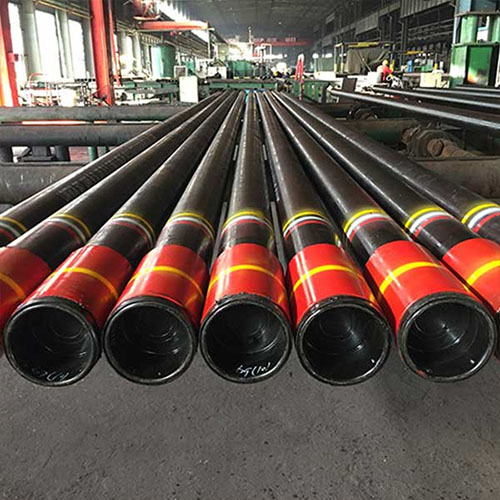
One of the primary challenges in oil casing integrity lies in preventing leaks and maintaining structural stability over time. Traditional casings, while effective, can be susceptible to corrosion, mechanical stress, and pressure differentials that compromise their integrity. This vulnerability underscores the need for innovative approaches that address these issues comprehensively.
Modern advancements in material science have yielded casing solutions that boast enhanced durability and resistance to corrosion. high–strength alloys and composite materials have become standard choices, capable of withstanding extreme pressures and corrosive environments without compromising performance. These materials not only extend the lifespan of casings but also reduce maintenance costs and downtime associated with replacements.
Furthermore, the application of advanced coatings and treatments has revolutionized the protective capabilities of oil casings. Nanotechnology-based coatings provide a barrier against corrosive elements while maintaining the structural integrity of the casing itself. These coatings can be tailored to specific environmental conditions, ensuring optimal performance in diverse operational contexts.
In addition to material advancements, monitoring and diagnostic technologies play a pivotal role in safeguarding oil casing integrity. Real-time monitoring systems equipped with sensors and data analytics enable continuous assessment of casing conditions. By detecting early signs of degradation or potential failures, operators can preemptively intervene, mitigating risks and optimizing maintenance schedules.
petroleum Casing Pipe Best chinese wholesaler
The integration of artificial intelligence (AI) and machine learning algorithms further enhances the predictive capabilities of these monitoring systems. These technologies analyze vast amounts of data to identify patterns indicative of casing deterioration or stress accumulation. Such proactive insights empower operators to implement corrective actions promptly, minimizing downtime and maximizing operational efficiency.
Moreover, innovations in manufacturing processes have streamlined the production of casing components with higher precision and consistency. Advanced machining techniques and quality control measures ensure that each casing meets stringent performance standards before deployment. This focus on precision engineering not only enhances reliability but also contributes to sustainable practices by reducing material waste and energy consumption.
Beyond technological advancements, industry collaborations and regulatory standards play pivotal roles in driving continuous improvement in oil casing integrity. Collaborative research initiatives foster innovation and knowledge sharing across the sector, accelerating the development of next-generation casing solutions. Concurrently, stringent regulatory frameworks enforce standards that prioritize safety and environmental stewardship, ensuring that advancements in casing technology align with global best practices.
In conclusion, the evolution of oil casing technologies represents a triumph of innovation and engineering excellence in the energy sector. Advanced materials, coatings, monitoring systems, and manufacturing processes collectively contribute to fortifying casing integrity against the rigors of oil extraction operations. These advancements not only enhance operational efficiency and safety but also underscore the industry’s commitment to sustainability and responsible resource management. As the demand for energy continues to grow, the ongoing development of these technologies will play a pivotal role in meeting global energy needs while minimizing environmental impact.