
Automation Technologies Revolutionizing Oil Casing industry Efficiency
The oil casing industry plays a crucial role in the global economy, providing the infrastructure necessary for oil extraction and production. In recent years, the industry has witnessed a significant transformation driven by automation technologies. These advancements have revolutionized efficiency measures within the sector, leading to increased productivity and cost savings.
One of the key technologies driving this revolution is the Internet of Things (IoT). IoT devices are now being deployed extensively in oil casing operations to monitor equipment performance in real-time. By collecting and analyzing data from sensors embedded in machinery, Companies can proactively identify potential issues and schedule Maintenance before costly breakdowns occur. This predictive maintenance approach not only minimizes downtime but also extends the lifespan of equipment, ultimately improving overall productivity.
Furthermore, the integration of Artificial Intelligence (AI) and Machine Learning (ML) algorithms has enabled oil casing Companies to optimize their drilling processes. These technologies can analyze vast amounts of geological data to identify the most promising drilling locations and predict potential obstacles. By leveraging AI and ML, companies can make data-driven decisions that lead to more efficient and successful drilling operations.
Robotics is another area where significant advancements have been made in the oil casing industry. Autonomous robots are now being used for tasks such as Pipe inspection, maintenance, and even drilling. These robots can access hard-to-reach areas and perform repetitive tasks with precision, reducing the risk of human error and improving overall operational efficiency.
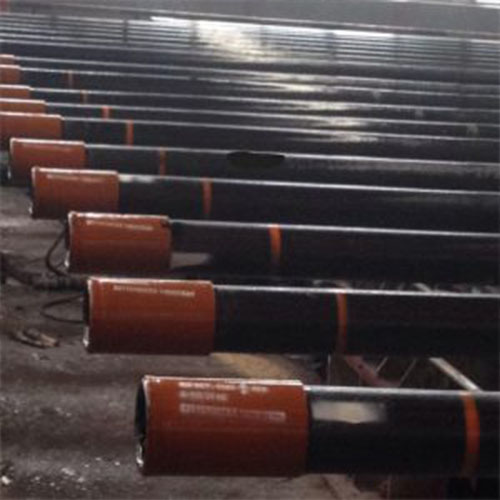
In addition to IoT, AI, ML, and robotics, the industry is also embracing cloud computing technologies. Cloud platforms offer scalability, flexibility, and cost-effectiveness, allowing companies to store and analyze large volumes of data securely. By migrating their operations to the cloud, oil casing companies can streamline their workflows, collaborate more effectively, and access powerful computing resources on-demand.
The adoption of these automation technologies has not only enhanced efficiency but also improved safety standards within the oil casing industry. By reducing the need for manual intervention in hazardous environments, companies can minimize the risk of accidents and ensure the well-being of their workforce.
In conclusion, the integration of automation technologies is revolutionizing the oil casing industry, driving increased productivity and efficiency. From IoT and AI to robotics and cloud computing, these advancements are resh APIng traditional practices and paving the way for a more sustainable and competitive sector. As companies continue to invest in innovation, the future of the oil casing industry looks promising, with endless possibilities for growth and optimization.
Data Analytics Strategies for Optimizing Productivity in Oil Casing Operations
The oil casing industry plays a crucial role in the global energy sector, providing the necessary infrastructure for oil extraction and production. In this highly competitive and dynamic environment, maximizing productivity is essential for companies to stay ahead. Data analytics has emerged as a powerful tool for optimizing operations and enhancing efficiency in oil casing activities.
One key aspect of leveraging data analytics in the oil casing industry is the ability to collect and analyze vast amounts of data generated during drilling and production processes. By harnessing advanced sensors and IoT devices, companies can gather real-time data on various parameters such as temperature, pressure, and flow rates. This data can then be processed using sophisticated algorithms to extract valuable insights that can drive informed decision-making.
Predictive analytics is another valuable strategy for enhancing productivity in oil casing operations. By applying machine learning algorithms to historical data, companies can forecast equipment failures, identify maintenance needs, and optimize production schedules. This proactive approach helps prevent costly downtime and ensures that operations run smoothly and efficiently.
Furthermore, data analytics can enable companies to optimize well placement and design, leading to improved reservoir performance and higher yields. By analyzing geological data, production history, and other relevant factors, engineers can make data-driven decisions that maximize the recovery of Oil and gas reserves. This strategic use of data analytics can significantly impact the overall productivity and profitability of oil casing operations.
api 5l x65 psl2 specification
In addition to operational efficiency, data analytics can also enhance safety and environmental sustainability in the oil casing industry. By monitoring and analyzing safety incidents, companies can identify patterns and root causes, allowing them to implement targeted interventions to prevent accidents and ensure worker safety. Similarly, environmental data can be analyzed to minimize the impact of operations on the surrounding ecosystem and comply with regulatory requirements.
Collaboration and knowledge sharing are essential components of successful data analytics strategies in the oil casing industry. By fostering a culture of data-driven decision-making and investing in training programs, companies can empower their employees to leverage data analytics tools effectively. Cross-functional teams that include data scientists, engineers, and domain experts can work together to develop innovative solutions that drive continuous improvement and operational excellence.
In conclusion, data analytics offers a wealth of opportunities for optimizing productivity in oil casing operations. By harnessing the power of data, companies can make smarter decisions, improve operational efficiency, enhance safety, and drive sustainable growth. As the oil casing industry continues to evolve, embracing data analytics will be key to staying competitive and meeting the challenges of tomorrow.