
Navigating the Challenges in Oil Casing Technology
Oil casing technology plays a crucial role in the Oil and gas industry, providing structural support and protection for wells. As the industry continues to evolve, new challenges and opportunities emerge in the realm of oil casing technology. Navigating these challenges requires a deep understanding of the complexities involved and a proactive approach to embracing opportunities for innovation and improvement.
One of the primary challenges in oil casing technology is ensuring the integrity and reliability of the casing under extreme conditions. Wells are subjected to high pressures, corrosive environments, and temperature variations, placing significant demands on the casing materials. engineers and researchers are constantly exploring new materials and manufacturing techniques to enhance the strength and durability of oil casings, ensuring they can withstand the harsh conditions they are exposed to.
Another key challenge is the need for effective cementing and zonal isolation in oil wells. Proper cementing is essential for securing the casing in place and preventing fluid migration between different zones in the well. Poor zonal isolation can lead to costly remediation efforts and environmental risks. Innovations in cementing technologies, such as advanced additives and placement techniques, are helping to improve zonal isolation and ensure the long-term integrity of oil wells.
In addition to technical challenges, regulatory requirements and environmental considerations also shape the landscape of oil casing technology. stringent regulations govern the design, installation, and operation of oil casings to ensure safety and environmental protection. Companies operating in the oil and gas sector must navigate these regulations effectively, implementing best practices and compliance measures to mitigate risks and uphold industry standards.
Despite these challenges, the field of oil casing technology presents exciting opportunities for innovation and advancement. Digital technologies, such as sensors and data analytics, are revolutionizing the way oil wells are monitored and maintained. Real-time data insights enable operators to optimize well performance, detect anomalies early, and improve decision-making processes. By embracing digitalization, companies can enhance operational efficiency and reduce downtime, ultimately driving cost savings and productivity gains.
Collaboration and knowledge sharing are also essential components of navigating the challenges and seizing opportunities in oil casing technology. Industry partnerships, research initiatives, and professional networks facilitate the exchange of ideas and expertise, fostering a culture of continuous learning and improvement. By working together and leveraging collective knowledge, stakeholders in the oil and gas sector can drive innovation and address complex challenges more effectively.
In conclusion, oil casing technology is a dynamic and evolving field that requires a proactive and multidisciplinary approach to overcome challenges and c APItalize on opportunities. By staying abreast of technological advancements, regulatory developments, and industry trends, stakeholders can navigate the complexities of oil casing technology with confidence and drive sustainable growth in the oil and gas sector.
Embracing Opportunities in Oil Casing Technology
Oil casing technology plays a crucial role in the oil and gas industry, providing structural support and protection for wells. As the industry continues to evolve, new challenges and opportunities emerge in the realm of oil casing technology. Embracing these opportunities requires a deep understanding of the current landscape and a proactive approach to innovation.
One of the key challenges in oil casing technology is ensuring the integrity and reliability of the casing under extreme conditions. Wells are subjected to high pressures, corrosive environments, and temperature variations, placing significant demands on the casing materials. Innovations in material science have paved the way for the development of advanced alloys and coatings that enhance the durability and performance of oil casings.
Moreover, the trend towards deeper and more complex wells has necessitated the use of innovative casing designs and technologies. Engineers are constantly exploring new ways to optimize casing configurations, improve cementing techniques, and enhance wellbore stability. By leveraging advanced modeling and simulation tools, operators can better predict the behavior of casings under different operating conditions, leading to more efficient and cost-effective solutions.
In addition to technical challenges, the oil and gas industry is also facing increasing regulatory and environmental pressures. Operators are under growing scrutiny to minimize the environmental impact of drilling operations and ensure the safe disposal of drilling fluids and cuttings. This has spurred the development of eco-friendly casing materials and sustainable drilling practices that reduce the industry’s carbon footprint.
Despite these challenges, the evolving landscape of oil casing technology presents numerous opportunities for innovation and growth. Digitalization and automation are revolutionizing the way wells are monitored and maintained, enabling real-time data analysis and predictive Maintenance strategies. By embracing digital technologies, operators can optimize production efficiency, reduce downtime, and enhance safety across their operations.
wholesalersFurthermore, the rise of data analytics and machine learning has opened up new possibilities for optimizing well performance and reservoir management. By harnessing the power of big data, operators can gain valuable insights into reservoir behavior, production trends, and equipment performance, allowing them to make informed decisions that drive operational excellence.
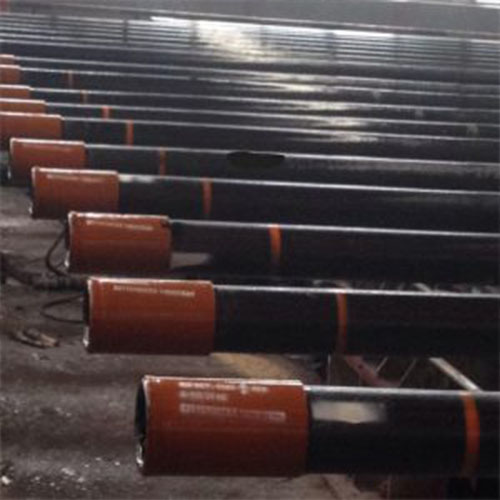
In conclusion, the oil and gas industry is at a pivotal moment in the evolution of oil casing technology. By addressing the challenges head-on and embracing the opportunities for innovation, operators can enhance the efficiency, safety, and sustainability of their drilling operations. With a commitment to continuous improvement and a willingness to explore new technologies, the industry can navigate the complexities of modern drilling environments and unlock new possibilities for growth and success.