
Reimagining Oil Casing Technology: Exploring Challenges and Opportunities
Oil casing technology plays a pivotal role in the extraction and production of oil, serving as a critical component in the drilling process. As the Oil and gas industry continues to evolve, the challenges and opportunities surrounding oil casing technology have come into sharper focus. This article delves into the spectrum of challenges and opportunities that define the landscape of oil casing technology today.
One of the primary challenges facing oil casing technology is the need for enhanced durability and reliability in harsh operating conditions. Oil wells are subjected to high pressures, corrosive environments, and extreme temperatures, placing significant demands on casing materials. Innovations in metallurgy and material science are essential to developing casings that can withstand these challenging conditions and ensure the integrity of the wellbore over its operational lifespan.
Another key challenge is the optimization of casing design to improve well performance and efficiency. The design of the Casing string impacts crucial aspects such as well stability, fluid flow dynamics, and overall production rates. By leveraging advanced modeling and simulation techniques, engineers can fine-tune casing designs to maximize operational efficiency and minimize costs.
Furthermore, environmental considerations have become increasingly important in the oil and gas industry, prompting a shift towards more sustainable practices. Sustainable casing technologies aim to reduce the environmental footprint of oil drilling operations by minimizing waste generation, energy consumption, and emissions. Developing eco-friendly casing materials and recycling strategies is crucial for aligning oil casing technology with the principles of environmental stewardship.
On the flip side, these challenges also present opportunities for innovation and advancement in oil casing technology. The quest for more durable and reliable casing materials has spurred research into novel alloys, coatings, and composite materials that offer superior performance characteristics. By pushing the boundaries of material science, engineers can develop casings that deliver enhanced mechanical strength, corrosion resistance, and fatigue durability.
Moreover, the digital transformation of the oil and gas industry has opened up new possibilities for optimizing casing operations through data-driven insights. Advanced sensors, real-time monitoring systems, and predictive analytics enable operators to monitor casing integrity, detect anomalies, and proactively address potential issues before they escalate. This data-driven approach not only enhances operational efficiency but also improves safety and risk management practices.
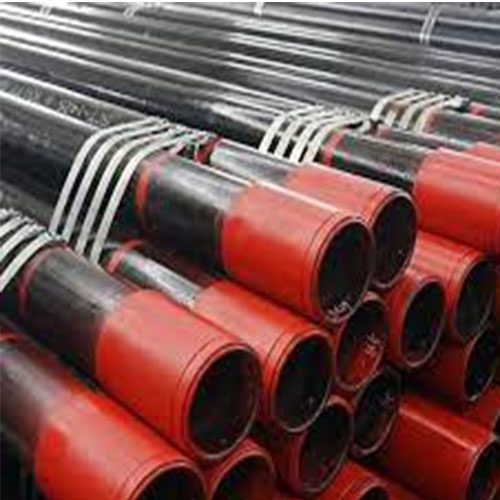
API 5ct L80 13Cr CASING chinese Best factoriesIn conclusion, the challenges and opportunities in oil casing technology form a dynamic spectrum that drives innovation and progress in the oil and gas industry. By addressing the challenges of durability, design optimization, and environmental sustainability, while embracing opportunities for material innovation and digital integration, the industry can unlock new frontiers in oil casing technology. This ongoing evolution underscores the importance of continuous research, collaboration, and technological advancement in reimagining the future of oil casing technology.