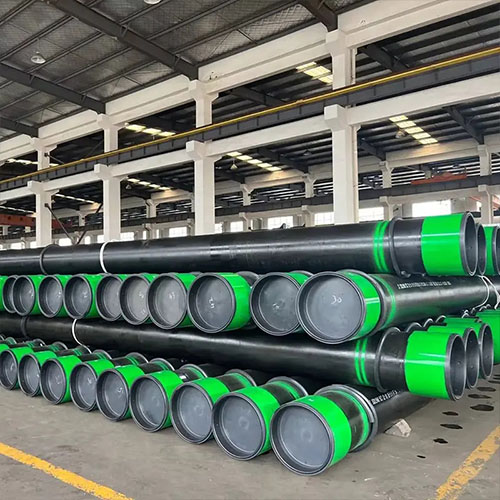
Assessing well Depth Requirements
Determining the proper Oil Casing in accordance with the real demand state begins with a thorough assessment of well depth requirements. The depth of a well is a critical factor that influences the selection of casing, as it directly impacts the structural integrity and overall performance of the well. To begin this assessment, it is essential to gather geological data that provides insights into the subsurface conditions. This data typically includes information about the types of rock formations, their mechanical properties, and the presence of any fluids or gases that may affect the well’s stability.
Once the geological data is collected, the next step involves analyzing the anticipated depth of the well. This analysis should take into account not only the target depth for oil extraction but also the depth of any potential hazards, such as unstable formations or high–pressure zones. Understanding these factors is crucial, as they will dictate the type and grade of casing required to withstand the pressures and stresses encountered during drilling and production. For instance, deeper wells may require thicker casing to provide adequate support and prevent collapse, while shallower wells may be adequately served by lighter casing options.
In addition to geological and depth considerations, it is also important to evaluate the expected production rates and the characteristics of the oil being extracted. different types of oil may have varying viscosities and pressures, which can influence the design of the casing. For example, heavier oils may necessitate the use of specialized casing materials that can withstand higher temperatures and pressures. Therefore, a comprehensive understanding of the production profile is essential in determining the appropriate casing specifications.
Moreover, the regulatory environment must also be taken into account when assessing well depth requirements. Different regions may have specific regulations regarding casing design, installation, and testing. Compliance with these regulations is not only a legal obligation but also a critical aspect of ensuring the safety and environmental integrity of the drilling operation. Therefore, it is advisable to consult with regulatory bodies and industry standards to ensure that the selected casing meets all necessary requirements.
As the assessment progresses, it is beneficial to engage with experienced drilling engineers and geologists who can provide valuable insights and recommendations based on their expertise. Their knowledge of past drilling projects and casing applications can help inform the decision-making process and lead to more effective casing solutions. Collaboration among various stakeholders, including geologists, engineers, and regulatory experts, can facilitate a more comprehensive understanding of the well’s requirements and lead to better outcomes.
Finally, it is essential to conduct a risk assessment that considers potential challenges and uncertainties associated with the well depth and casing selection. This assessment should include an evaluation of the likelihood of encountering unexpected geological formations, equipment failures, or other operational issues that could impact the integrity of the casing. By identifying these risks early in the planning process, operators can develop contingency plans and make informed decisions regarding the appropriate casing design.
API 5ct L80 9Cr CASING wholesalerIn conclusion, determining the proper oil casing in accordance with the real demand state requires a multifaceted approach that encompasses geological analysis, production considerations, regulatory compliance, expert collaboration, and risk assessment. By carefully evaluating these factors, operators can ensure that they select the most suitable casing for their specific well depth requirements, ultimately leading to safer and more efficient oil extraction operations.