Vorteile des konventionellen Bohrlochkopfaufbaus:
Konventioneller Bohrlochkopfaufbau
Wenn es um die Öl- und gasindustrie geht, ist Zuverlässigkeit von größter Bedeutung. Kontinuierliche Produktion und minimale Ausfallzeiten sind entscheidende Faktoren, die über den Erfolg eines jeden Betriebs entscheiden können. In dieser Hinsicht haben sich herkömmliche Bohrlochkopfanordnungen im Laufe der Zeit bewährt und ihre Zuverlässigkeit unter verschiedenen Betriebsbedingungen unter Beweis gestellt.
Konventionelle Bohrlochkopfanordnungen werden seit vielen Jahren eingesetzt und stellen eine bewährte Lösung für die Öl- und Gasindustrie dar. Diese Anlagen bestehen aus mehreren Komponenten, die nahtlos zusammenarbeiten, um die effiziente Förderung von Öl und Gas aus dem Boden zu gewährleisten.
Das Herzstück der konventionellen Bohrlochkopfanordnung ist der Bohrlochkopf selbst. Dies ist die primäre Schnittstelle zwischen dem unterirdischen Reservoir und den Produktionsanlagen an der Oberfläche. Der Bohrlochkopf bietet eine sichere und kontrollierte Umgebung für die sichere Förderung von Kohlenwasserstoffen. Es dient als Grundlage für die verschiedenen Komponenten, aus denen sich der Bohrlochkopfaufbau zusammensetzt.
Einer der Hauptvorteile herkömmlicher Bohrlochkopfaufbauten ist ihre Anpassungsfähigkeit an unterschiedliche Betriebsbedingungen. Unabhängig davon, ob es sich um einen Onshore- oder Offshore-Einsatz handelt, kann der Bohrlochkopf individuell an die spezifischen Anforderungen des Standorts angepasst werden. Diese Vielseitigkeit ermöglicht die effiziente Förderung von Öl und Gas in einer Vielzahl von Umgebungen.
Ein weiterer Aspekt, der zur Zuverlässigkeit herkömmlicher Bohrlochkopfaufbauten beiträgt, ist die Verwendung robuster materialien und Konstruktionstechniken. Diese Aufbauten sind so konzipiert, dass sie den rauen Bedingungen standhalten, die in der Öl- und Gasindustrie häufig vorkommen, wie beispielsweise extreme temperaturen, hohe Drücke und korrosive Substanzen. Die verwendeten Materialien, wie zum Beispiel hochwertige Stahllegierungen, werden sorgfältig ausgewählt, um eine langfristige Haltbarkeit und Beständigkeit gegen Zersetzung zu gewährleisten.
Darüber hinaus sind herkömmliche Bohrlochkopfaufbauten mit fortschrittlichen Sicherheitsfunktionen ausgestattet, die dazu beitragen, das Risiko von Unfällen zu minimieren und die Lebensdauer des Bohrlochkopfes zu gewährleisten Integrität. Beispielsweise werden Blowout-Preventer (BOPs) installiert, um den Fluss von Öl und Gas im Falle eines plötzlichen Druckanstiegs zu kontrollieren. Diese entscheidende Komponente fungiert als ausfallsicherer Mechanismus, der die unkontrollierte Freisetzung von Kohlenwasserstoffen verhindert und die Bohrlochkopfanordnung schützt.
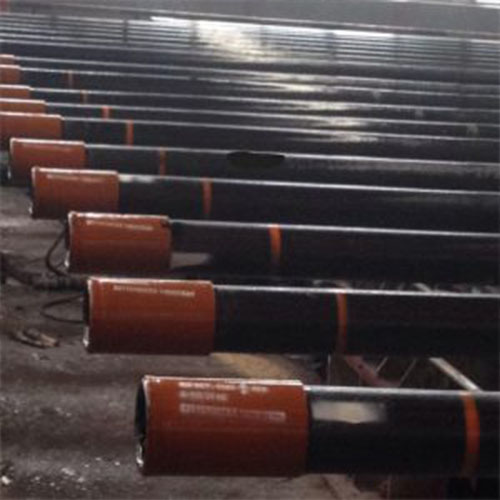
Ölbohrloch mit GlasfasergehäuseZusätzlich zu ihrer Zuverlässigkeit bieten herkömmliche Bohrlochkopfanordnungen eine einfache Wartung und Zugänglichkeit. Der modulare Aufbau ermöglicht eine schnelle und effiziente Reparatur oder den Austausch einzelner Komponenten und reduziert so mögliche Ausfallzeiten. Diese einfache Wartung stellt sicher, dass alle Probleme umgehend behoben werden können, wodurch Produktionsunterbrechungen minimiert werden.
Zusammenfassend lässt sich sagen, dass sich herkömmliche Bohrlochkopfanordnungen unter verschiedenen Betriebsbedingungen in der Öl- und Gasindustrie als zuverlässig erwiesen haben. Ihre Anpassungsfähigkeit, robuste Konstruktion und fortschrittlichen Sicherheitsfunktionen machen sie zu einer zuverlässigen Wahl für die kontinuierliche Produktion und die Minimierung von Ausfallzeiten. Mit ihrer einfachen Wartung und Zugänglichkeit bieten herkömmliche Bohrlochkopfanordnungen eine solide Grundlage für die Öl- und Gasförderung und sichern den anhaltenden Erfolg der Branche.
When it comes to the Oil and Gas industry, reliability is of utmost importance. The continuous production and minimal downtime are crucial factors that can make or break the success of any operation. In this regard, conventional wellhead setups have stood the test of time, proving their reliability in various operating conditions.
Conventional wellhead setups have been utilized for many years, providing a tried and tested solution for the oil and gas industry. These setups consist of several components that work seamlessly together to ensure the efficient extraction of oil and gas from the ground.
At the heart of the conventional wellhead setup lies the wellhead itself. This is the primary interface between the subsurface reservoir and the surface production facilities. The wellhead provides a secure and controlled environment for the safe extraction of hydrocarbons. It serves as the foundation for the various components that make up the wellhead setup.
One of the key advantages of conventional wellhead setups is their adaptability to different operating conditions. Whether it is an onshore or offshore operation, the wellhead can be customized to meet the specific requirements of the site. This versatility allows for the efficient extraction of oil and gas in a wide range of environments.
Another aspect that contributes to the reliability of conventional wellhead setups is the use of robust materials and construction techniques. These setups are designed to withstand the harsh conditions often encountered in the oil and gas industry, such as extreme temperatures, high pressures, and corrosive substances. The materials used, such as high-grade steel alloys, are carefully selected to ensure long-term durability and resistance to degradation.
Furthermore, conventional wellhead setups are equipped with advanced safety features that help minimize the risk of accidents and ensure the wellhead’s integrity. For example, blowout preventers (BOPs) are installed to control the flow of oil and gas in the event of a sudden surge in pressure. This crucial component acts as a fail-safe mechanism, preventing the uncontrolled release of hydrocarbons and safeguarding the wellhead setup.
fiberglass Casing oil wellIn addition to their reliability, conventional wellhead setups offer ease of Maintenance and accessibility. The modular design allows for quick and efficient Repairs or replacements of individual components, reducing potential downtime. This ease of maintenance ensures that any issues can be addressed promptly, minimizing disruptions to production.
In conclusion, conventional wellhead setups have proven to be reliable in various operating conditions within the oil and gas industry. Their adaptability, robust construction, and advanced safety features make them a trusted choice for continuous production and minimizing downtime. With their ease of maintenance and accessibility, conventional wellhead setups provide a solid foundation for the extraction of oil and gas, ensuring the industry’s continued success.