
Caractéristiques d’ajustement dans les applications industrielles
Choisir le bon matériau de carter d’huile
Caractéristiques d’ajustement et choix des matériaux de tubage pétrolier
Dans le domaine de l’exploration et de l’extraction pétrolières, le choix des matériaux de tubage joue un rôle essentiel pour garantir l’efficacité opérationnelle, la sécurité et la longévité des puits. Les matériaux du carter d’huile sont sélectionnés en fonction de divers facteurs, chacun influençant l’ajustement global et les performances dans différents environnements de forage. Comprendre ces facteurs est essentiel pour les ingénieurs et les opérateurs chargés de sélectionner les bons matériaux pour répondre aux exigences spécifiques du projet.
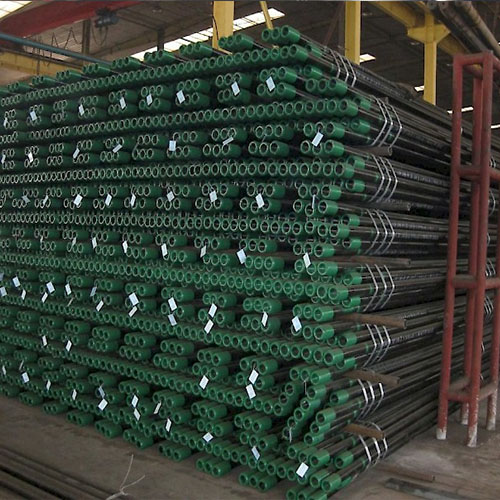
BOÎTIER API 5ct L80 Meilleur fabricant chinois
Les progrès technologiques dans la science des matériaux ont élargi la gamme d’options disponibles pour les matériaux de tubage pétrolier. Les matériaux composites, par exemple, offrent une alternative intéressante grâce à leurs propriétés de légèreté et de résistance à la corrosion et à la fatigue. Ces matériaux sont particulièrement avantageux dans le forage en eau profonde où la réduction du poids peut conduire à des économies de coûts et à une efficacité opérationnelle significatives.
En plus des propriétés des matériaux, les caractéristiques dimensionnelles du tubage, telles que le diamètre et l’épaisseur de la paroi, sont essentielles pour garantir une bonne intégrité du puits. et la fonctionnalité. Un ajustement approprié garantit une cimentation et une complétion efficaces du puits, minimisant ainsi les risques tels que l’effondrement du tubage ou la migration des gaz. Les ingénieurs doivent soigneusement faire correspondre les dimensions du tubage aux spécifications du puits de forage pour obtenir des performances optimales et atténuer les risques opérationnels potentiels.
Le processus de sélection implique également une collaboration entre les ingénieurs de forage, les métallurgistes et les fournisseurs pour évaluer les exigences spécifiques de chaque projet de forage. Des facteurs tels que la profondeur du puits, les caractéristiques du réservoir et les taux de production prévus sont méticuleusement évalués pour déterminer le matériau et la conception du tubage les plus appropriés. Cette approche collaborative garantit que les matériaux sélectionnés répondent non seulement aux spécifications techniques, mais également aux délais du projet et aux contraintes budgétaires.
En conclusion, le choix des matériaux de tubage pétrolier est une décision à multiples facettes qui intègre des considérations techniques, économiques, environnementales et opérationnelles. Les ingénieurs et les opérateurs doivent naviguer à travers un paysage complexe d’options de matériaux pour sélectionner le boîtier le plus approprié qui garantit l’intégrité du puits, l’efficacité opérationnelle et la durabilité environnementale. En comprenant les caractéristiques d’ajustement et les attributs de performance de divers matériaux, les parties prenantes peuvent prendre des décisions éclairées qui optimisent les opérations de forage et améliorent la productivité globale des puits de pétrole et de gaz.
One of the primary considerations when choosing Oil Casing materials is the geological conditions of the drilling site. different formations present varying challenges such as corrosive environments, high pressure, or extreme temperatures. For instance, in offshore drilling where corrosive seawater is a concern, corrosion-resistant alloys like Stainless steel or nickel alloys are preferred due to their ability to withstand harsh marine conditions without compromising structural integrity.
mechanical properties also play a crucial role in material selection. The casing must withstand the stresses and pressures encountered during drilling, completion, and production phases. High strength materials such as carbon steels or high-alloy steels are often chosen for their robustness and ability to maintain integrity under high pressure and temperature gradients. These materials ensure that the casing maintains its shape and strength over the operational lifetime of the well.
Another significant consideration is the cost–effectiveness of the material over the lifecycle of the well. While high-performance alloys may offer superior Corrosion resistance and mechanical strength, they often come at a higher initial cost. engineers must weigh this initial investment against potential savings in Maintenance and replacement costs over the well’s lifespan. factors such as ease of installation, availability of spare parts, and compatibility with existing infrastructure also influence the economic viability of the chosen casing material.
Furthermore, environmental considerations are increasingly shaping material choices in oil casing selection. Sustainable practices and regulatory requirements push the industry towards materials that minimize environmental impact during production and decommissioning phases. Recyclability and ease of disposal are becoming integral factors in material selection, driving innovation towards eco-friendly alternatives without compromising operational performance.
The technological advancements in material science have expanded the range of options available for oil casing materials. Composite materials, for example, offer a compelling alternative with their lightweight properties and resistance to corrosion and fatigue. These materials are particularly advantageous in deepwater drilling where weight reduction can lead to significant cost savings and operational efficiencies.
In addition to material properties, the dimensional characteristics of the casing, such as diameter and Wall thickness, are critical for ensuring proper well integrity and functionality. Proper fit ensures effective cementing and well completion, minimizing risks such as casing collapse or gas migration. Engineers must carefully match casing dimensions to wellbore specifications to achieve optimal performance and mitigate potential operational hazards.
The selection process also involves collaboration between drilling engineers, metallurgists, and Suppliers to assess the specific requirements of each drilling project. Factors such as well depth, reservoir characteristics, and anticipated production rates are meticulously evaluated to determine the most suitable casing material and design. This collaborative approach ensures that the selected materials not only meet technical specifications but also align with project timelines and budget constraints.
In conclusion, the choice of oil casing materials is a multifaceted decision that integrates technical, economic, environmental, and operational considerations. Engineers and operators must navigate through a complex landscape of material options to select the most suitable casing that ensures well integrity, operational efficiency, and environmental sustainability. By understanding the fit characteristics and performance attributes of various materials, stakeholders can make informed decisions that optimize drilling operations and enhance the overall productivity of Oil and Gas wells.